Finding Reliable Rotary Parts for Your Mazda RX-7 or RX-8
Working on a Mazda RX-7 or RX-8 means dealing with a unique engine layout that few mechanics outside Japan truly understand. The rotary engine is a different animal. It has no pistons, no valves, and no conventional cylinder head. Instead, it relies on a triangular rotor spinning inside a housing, with the crankshaft taking the rotational force directly from that motion. That simplicity is what draws people to these cars, but it also means that when something goes wrong, the usual off-the-shelf fixes don't apply. You need proper rotary parts, not generic substitutes.
I have spent more weekends than I can count under the bonnet of an RX-7, and I have learned the hard way that cutting corners on the internals only leads to more downtime. The rotor itself, the apex seals, the oil seals, all of these need to be right. A single bad apex seal can ruin an entire engine block in less than a hundred kilometres. So when you are sourcing parts, you want someone who knows what they are looking at. A specialist wrecker who dismantles rotary-powered Mazdas every day sees the same failure points over and over. They know which gasket sets hold up, which ignition systems cause trouble, and which intake manifolds crack under heat cycling.
What Makes Rotary Engines Different
Let us start with the basics. A rotary engine does not use a cylinder head. It uses a rotor housing and a side housing. The rotor spins inside that housing, and the apex seals ride along the inner wall to create the combustion chamber. Because the rotor never stops moving, the seals take a lot of abuse. The oil seals sit between the rotor and the side housing, keeping the combustion chamber sealed from the oil galleries. If either of those seals fails, you lose compression and the engine stops running properly. That is why rebuild kits are so popular among enthusiasts. A good rebuild kit includes new apex seals, oil seals, springs, and gasket set, and it gives the engine a fresh start.
Another difference is the crankshaft. In a piston engine, the crankshaft has counterweights and throws that connect to connecting rods. In a rotary, the crankshaft is a simpler affair, but it still carries the full torque of the engine. It must be straight and balanced. A bent crankshaft can cause vibrations that wear out the rotor bearings and the gearbox input shaft. So when you buy a used crankshaft from a wrecker, you want one that came from a car that was dismantled for a reason other than engine failure. A blown turbocharger or a crashed body can still leave a perfectly good crankshaft and engine block behind.
Sourcing Used Rotary Parts vs New
New parts for rotary engines are getting harder to find. Mazda stopped producing the RX-8 in 2012, and the RX-7 has been out of production for even longer. The aftermarket has stepped up in some areas, but genuine Mazda parts are still the gold standard for critical components like the ignition system and the exhaust manifold. That said, new parts can be expensive and sometimes backordered for months. Used rotary parts offer a practical alternative, provided you know what to look for.
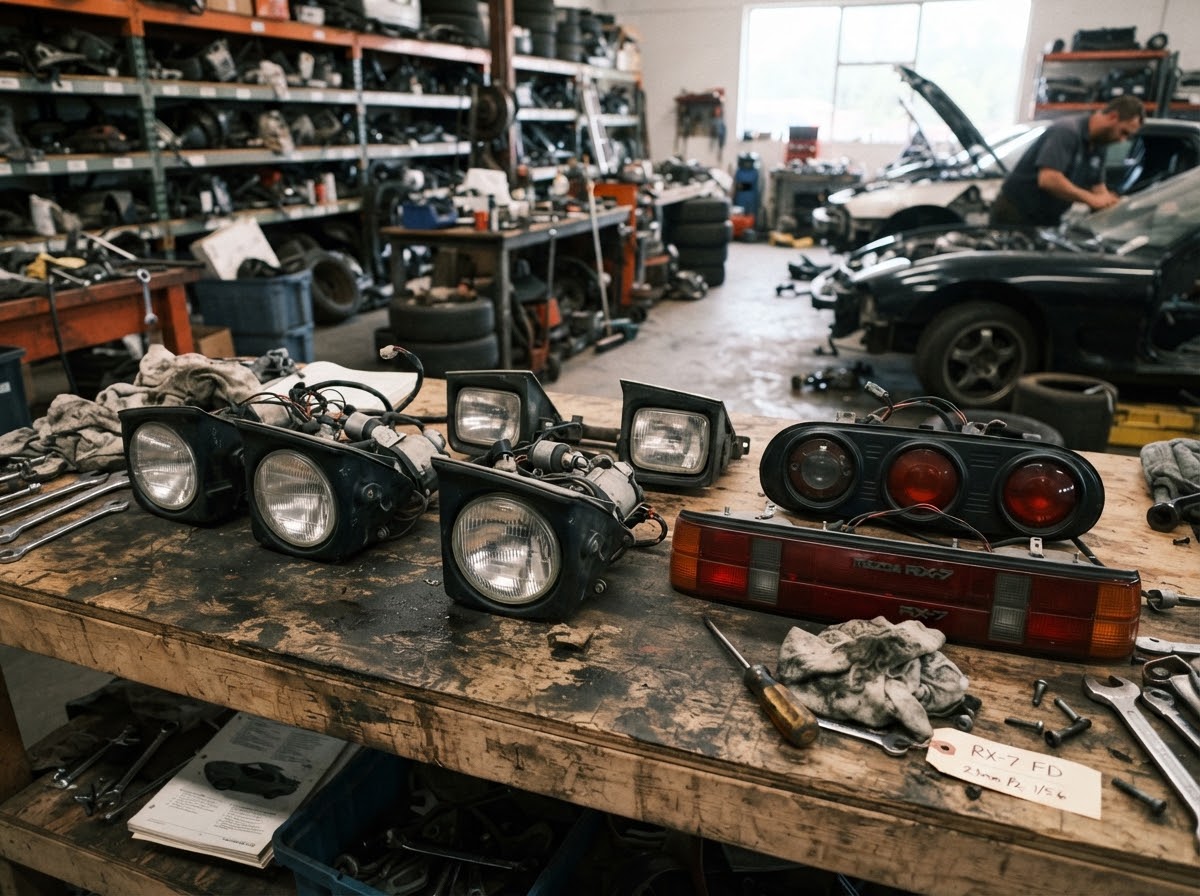
When I was rebuilding an RX-7 a few years ago, I needed an intake manifold that had not warped. The local auto parts store did not carry anything for a rotary engine. I ended up calling a specialist wrecker in Melbourne who had three or four RX-7s in their yard. They pulled an intake manifold from a car that had a blown turbo but a solid engine. The part was clean, the gasket surfaces were flat, and it cost about half what a new aftermarket manifold would have set me back. That experience taught me that a good wrecker is worth more than any online parts database.
Common Failure Points and What to Watch For
Rotary engines have a few well-known weak spots. The apex seals are the most famous. They wear down over time, especially if the engine is run hard or if the oil injection system is not working correctly. Apex seal failure usually means a rebuild. The oil seals are another common failure point. They can harden and crack with age, leading to oil leaks into the combustion chamber. That produces blue smoke and low compression. A gasket set is a cheap way to fix external leaks, but internal seal failures require pulling the engine apart.
The turbocharger, if the car has one, is also a common source of trouble. The RX-7 used a turbocharger on some models, and the heat can cause cracking in the exhaust manifold over time. The ignition system in the RX-8 is known for coil pack failures, which cause misfires and can damage the engine if left unchecked. When you are buying used rotary parts, you want to avoid anything that came from a car that was scrapped because of these exact issues. A good wrecker will tell you why the car was dismantled. If they do not know, ask.
What to Check When Buying Used
- Ask about the car the part came from. Was it running when dismantled? What was the reason for scrapping?
- Inspect gasket surfaces for warping or corrosion. A warped intake manifold or exhaust manifold will never seal properly.
- Check the rotor for scoring or pitting. A rotor with deep scratches is junk. The same goes for the engine block and side housings.
- Look at the crankshaft splines and bearing surfaces. Wear here can lead to gearbox issues down the road.
- For electronic parts like the ignition system, ask for a test result or a guarantee that the component works.
These checks are not difficult, but they take time. If you are not comfortable doing them yourself, a specialist wrecker can often do them for you. They see these parts every day and can spot a bad rotor or a cracked cylinder head from across the workshop.
Why a Specialist Wrecker Matters
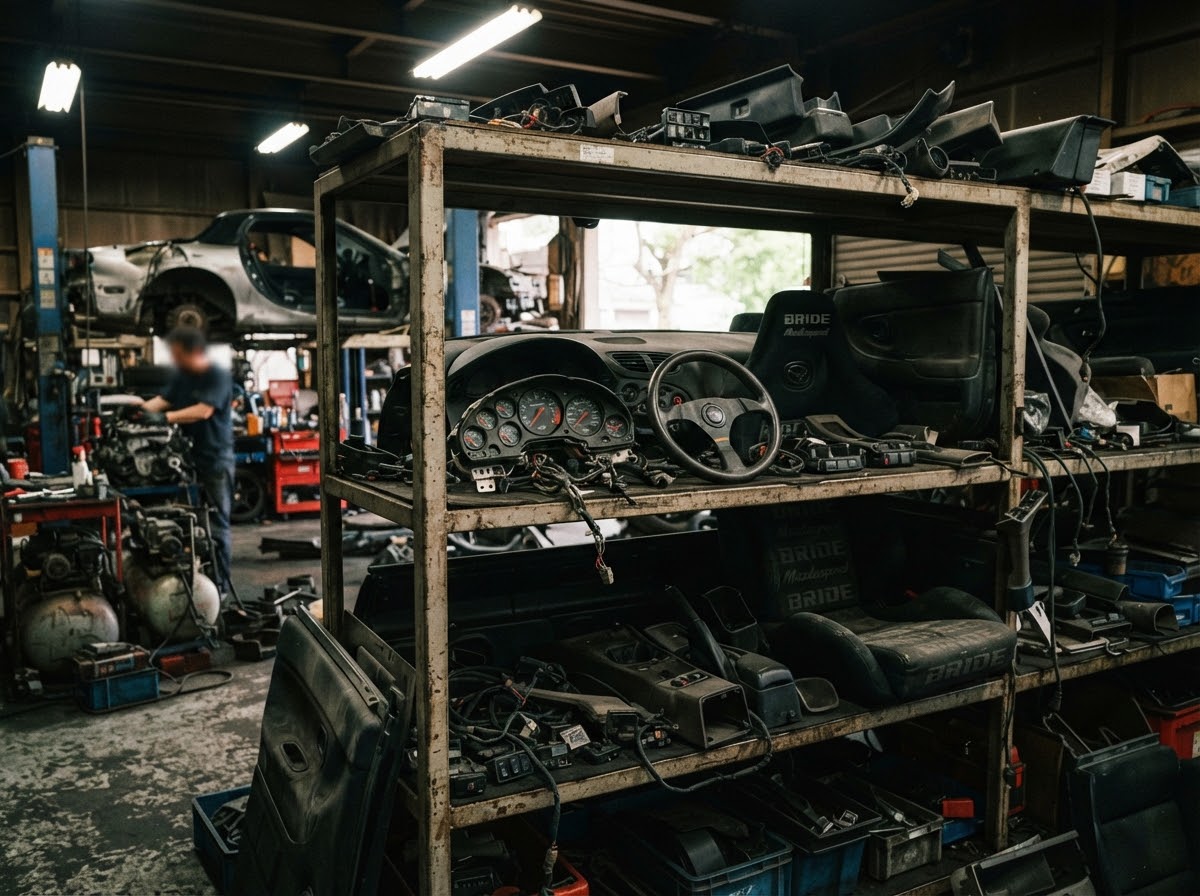
A general auto wrecker might have a few rotary parts lying around, but they rarely have the depth of stock or the knowledge to match parts correctly. A specialist wrecker, like the ones you find in Melbourne and other cities with strong rotary communities, dismantles only rotary-powered Mazdas. They stock everything from the engine block to the gearbox, from the intake manifold to the turbocharger. They know which parts interchange between RX-7 and RX-8 models, and they can tell you whether a part from a 1993 RX-7 will fit a 1995 model.
That kind of expertise saves you time and money. When I needed a replacement gearbox for an RX-8, I called a specialist wrecker. They had three gearboxes in stock, each from a different model year, and they told me which one had the best synchros and which one had known issues. That is the kind of advice you cannot get from a generic parts listing.
Planning a Rebuild
If you are planning a full engine rebuild, start by ordering a rebuild kit that includes the seals and gaskets you need. Then source the major components: rotor, crankshaft, engine block, and side housings. Buy the best you can afford, because a rebuild is labour-intensive and you do not want to do it twice. A used engine block from a reputable wrecker is often a better bet than a cheap aftermarket block of unknown origin. The same goes for the crankshaft and the rotor.
Do not forget the supporting parts. The intake manifold, exhaust manifold, ignition system, and turbocharger all need to be in good condition. A single weak link can compromise the whole engine. And always use a fresh gasket set when reassembling. Reusing old gaskets is a false economy that will leak within a few thousand kilometres.
Final Thoughts
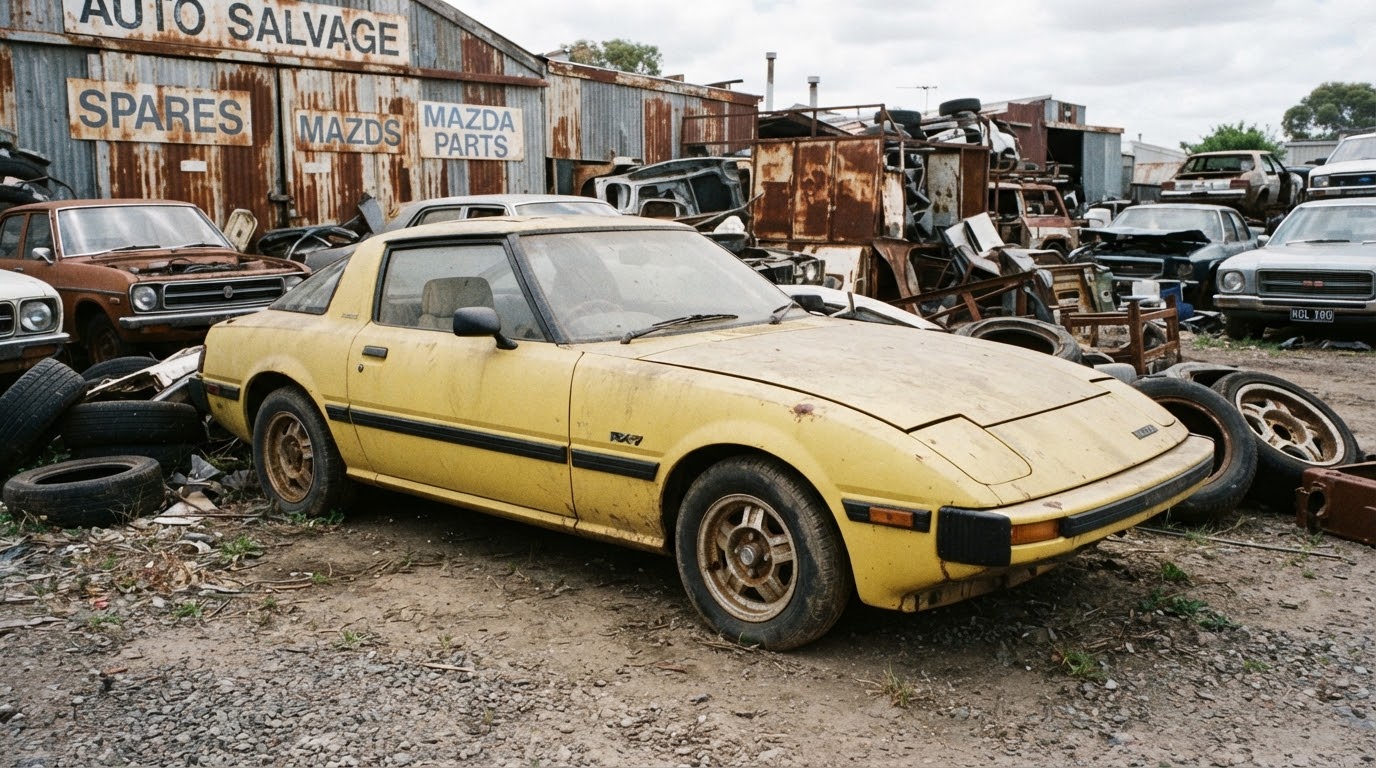
Keeping a rotary-powered Mazda on the road takes patience, knowledge, and a reliable source of rotary parts. Whether you are chasing a rare intake manifold for an RX-7 or a common gearbox for an RX-8, the key is to buy from people who understand the engine. A specialist wrecker in Melbourne or anywhere in Australia can be your best ally. They have the parts, the experience, and the willingness to help you get your car back on the road. Treat your rotary engine with respect, use the right parts, and it will reward you with a driving experience that no piston engine can match.